What Is Peptide Pureness And Why Does It Matter In Research-grade Peptides? Qing Li Peptide
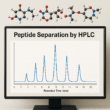
Peptide Lab Test Outcomes Most peptide purity evaluations utilize reversed-phase HPLC (RP-HPLC). In this configuration, the stationary phase is hydrophobic (water-repelling), generally C18-bonded silica. The mobile phase is a gradient of water and an organic solvent like acetonitrile, usually Copper Peptide with a percentage of trifluoroacetic acid (TFA) to sharpen the tops. Go to this website Specially modified peptides or cyclic peptide sequences are difficult to confirm, which impacts quality assurance. To conclude, recognizing peptide purity degrees and grades helps you make informed choices for your experiments. A peptide's pureness percent informs you how much of that sample is the genuine offer versus by-products, with usual research study qualities being around 95% as much as 98-99% for added purity. Analytical HPLC and MS are your good friends right here-- HPLC measures pureness, and MS verifies identification, with each other ensuring you understand what's in your tube. Examples undergo independent third-party laboratory verification. High-performance fluid chromatography (HPLC) validates ≥ 99.3% purity, while mass spectrometry (MS) confirms molecular identity and architectural accuracy. Reputable dimension strategies are crucial for quality assurance. SeekPeptides is the most basic method to discover the right peptides for your goals. Science-backed prepare for faster recuperation, muscle growth, anti-aging, fat loss, and a lot more. This documentation sustains troubleshooting if troubles emerge and demonstrates diligence in quality-focused research. In accordance with ICH standards, confirmed methods suggest the laboratory has actually developed the examination's accuracy, accuracy, detection limitations, etc, ensuring the data you obtain are dependable. Peptide purity testing is the process of confirming that a peptide example includes only the desired sequence-- and no considerable impurities or by-products from synthesis. Due to the fact that peptides are developed with intricate chemical processes, trace pollutants can create naturally. Testing permits scientists to comprehend precisely what's in the vial, verifying both identity and quality. Determining peptide purity is generally made with analytical high-performance liquid chromatography (HPLC), usually paired with mass spectrometry (MS) for identity verification.
Recognizing Peptide Pureness Screening
Discover validated vendors supplying high-purity peptides, clear documents, and regular quality for your speculative requirements. Conversely, a peptide revealing good HPLC purity might have subtly moved mass spec data suggesting an alteration (such as methionine oxidation) that isn't severe sufficient to create chromatographic separation. 98% pureness by RP-HPLC is the conventional benchmark for research-grade peptides and represents a robust level of pureness for the majority of preclinical research study applications.Certified Peptides
- The mobile stage, frequently a blend of water, acetonitrile, and an acid modifier, is kept in tanks and provided with the system by a high-pressure pump.
- When you see peptide pureness reported making use of HPLC, it means the item has been thoroughly examined using among the most dependable quality-control techniques readily available.
- Pollutants aren't just non-active fillers; they can actively disrupt your work.
- Trace amounts of solvents made use of during synthesis and filtration-- acetonitrile, dimethylformamide (DMF), dichloromethane-- can continue to be in the end product.
- A COA that does not consist of endotoxin screening results is incomplete for any kind of research application involving organic systems.
- For researchers, getting confirmed peptides isn't just a procedure-- it's the foundation of reliable experiments and research study reproducibility.
Where can I send my peptides to examine for purity?
ACS Peptide Checking Labs is an expert peptide analysis lab that approves samples from all 50 states. Whether you require to evaluate peptide pureness, validate a vendor''s Certificate of Evaluation, or run thorough pollutant screening, our lab gives fast, accurate outcomes with comprehensive coverage.
Do I Need To Examine Every Set?
If testing validates top quality, you've gotten confidence for future orders. The laboratory is regularly stated along with Janoshik and MZ Biolabs as a trusted third-party confirmation source. For peptides with modifications (acetylation, amidation), the academic mass should account for these modifications. The peptide storage guide covers appropriate handling that maintains sterility without requiring official screening. Checking usages Inductively Coupled Plasma Mass Spectrometry (ICP-MS), which can discover even trace levels of steels. Hefty metals accumulate in the body in time, possibly causing neurological damages, kidney dysfunction, and other persistent problems. Acceptance limits for research usage depend upon the application-- cell-based assays require stricter endotoxin restrictions than, for instance, binding assays using purified proteins. HPLC can expose new contamination peaks, boosted shoulder optimals, or a minimized main-peak location after storage or managing stress. It is one factor proper peptide storage space and reconstitution practices issue. Mass spectrometry validates whether the measured mass matches the expected peptide mass. By clicking "Yes", you verify that you are 21 years old or older, agree that any kind of items purchased will be made use of purely for study objectives and approve our Terms of Solution. Some third celebration labs offer the results of the assay as a binary pass/fail. It is consequently crucial to examine for heavy metals; appropriately, Straightforward Peptide tests for every single single item for heavy metals. Hefty metals are undetectable to HPLC and mass specification and, if present, will gather in raw material offer time with unfavorable results on neurological, kidney and hepatic feature.